2026 World Cup Hubs: 3 Compared — Kansas City Wins
Kansas City is one of 16 official host cities for the 2026 FIFA World Cup, welcoming fans to the Kansas City region and matches at GEHA Field at Arrowhead Stadium. The tournament runs from June 11 to....
2026 World Cup Hubs: 3 Compared — Kansas City Wins
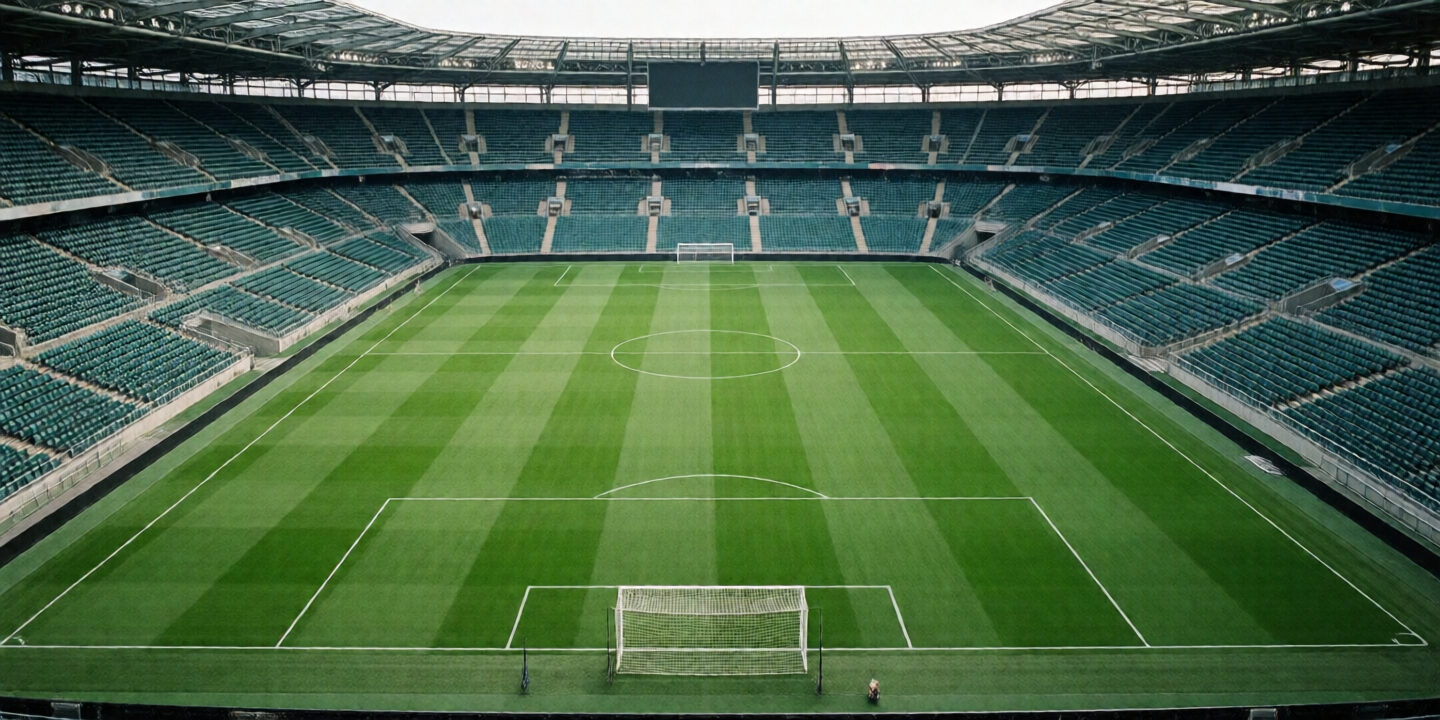
Kansas City is one of 16 official host cities for the 2026 FIFA World Cup, welcoming fans to the Kansas City region and matches at GEHA Field at Arrowhead Stadium. The tournament runs from June 11 to July 19, 2026, across the United States, Canada, and Mexico, with 48 national teams competing for the expanded title. Kansas City’s strongest advantage is not merely the stadium: it is the combination of a central U.S. location, a dedicated FIFA Fan Festival, regional attractions, and planned matchday transport connecting Kansas City International Airport, the stadium district, and surrounding destinations. FIFA World Cup 26™ will therefore reward visitors who plan movement, accommodation, and spending before arrival rather than improvising on match day. Tactical Review recommends comparing the official schedule, transport options, accommodation cancellation terms, and team-specific match information first, then treating any prediction or wagering decision as entertainment with a fixed budget.

Photo by Taylor Hunt on Pexels
Kansas City’s appeal in 2026 is unusually measurable. It offers a “Soccer Capital of America®” identity, a two-state metropolitan area spanning Missouri and Kansas, and a food culture that gives the trip substance between fixtures. Yet the expected value of a World Cup visit depends on more than atmosphere: a cheap room 30 miles from the stadium may carry a high transport cost, while a central hotel can reduce friction across several festival days. That is the calculation a careful fan should make before purchasing anything branded “official.” For authoritative tournament information, consult the FIFA World Cup 2026 host city overview, then cross-check Kansas City details through the local organizing resources rather than relying on social media summaries.
Want a structured way to follow teams, fixtures, and tactical trends?
2026 World Cup match predictions and team analysis
The Quick Comparison
| World Cup planning factor | Kansas City | Practical implication |
|---|---|---|
| Competition | FIFA World Cup 26™ | International football at the expanded 48-team tournament |
| Host venue | GEHA Field at Arrowhead Stadium | Expect stadium-area demand to peak on match days |
| Fan gathering | FIFA Fan Festival™ Kansas City | A public alternative for supporters without match tickets |
| Airport connection | Kansas City International Airport | Useful arrival point for domestic and international visitors |
| Regional identity | Missouri and Kansas | More than one downtown area and attraction corridor to navigate |
| Main advantage | Concentrated sports culture and hospitality | Strong atmosphere beyond the stadium |
| Main risk | Transport and accommodation pressure | Plan early and calculate the full trip cost |
This comparison is deliberately practical because “best host city” is not a universal category. A supporter attending one match may prioritise airport convenience, while a travelling group following several nations may value rail, coach, and hotel flexibility. Kansas City has no general rail network connecting every relevant point in the manner of some larger host cities, so the final-mile journey deserves unusually close attention. The official Kansas City host-city material highlights motorcoach services between Kansas City International Airport, Kansas City Stadium on match days, regional destinations, and FIFA Fan Festival locations; availability, pricing, and operating hours should still be verified as 2026 approaches.

Photo by Talena Reese on Pexels
The financially sensible approach is to calculate total expected cost rather than staring at the room rate alone. Use this simple model: accommodation plus airport transfer plus matchday transport plus meals plus contingency. If transport adds $35 per person each way and a group makes six journeys, the apparent $200 hotel saving can disappear quickly; mathematics is not glamorous, but it is kinder than discovering the error after kickoff. The official Kansas City host-city website is the appropriate place to verify local services, festival announcements, and travel updates.
Round 1: Which Kansas City location gives fans the best access?
Kansas City’s most useful base depends on the event mix: downtown supports restaurants, nightlife, and festival access, while accommodation closer to GEHA Field at Arrowhead Stadium may reduce matchday travel. Kansas City International Airport is convenient for arrivals, but it is not automatically the best place to stay because airport hotels can create longer journeys to central activities and fan gatherings.
First, map every confirmed commitment: match venue, FIFA Fan Festival™ Kansas City, airport, hotel, and any planned day trips. Then estimate travel time at peak demand rather than normal weekday speed. Finally, reserve flexibility where possible, because FIFA World Cup 26™ schedules and local event operations can create crowd surges even when the distance looks short on a map.
Kansas City’s geography can confuse first-time visitors because the metropolitan region crosses state lines and contains several distinct districts. Downtown Kansas City, Missouri, the Country Club Plaza, Crossroads Arts District, and the stadium complex do not function as one compact pedestrian zone. That means a fan who plans to watch an afternoon match, visit the festival, and dine across the city should leave a buffer of at least 60–90 minutes beyond the nominal journey estimate. This is not pessimism; it is variance management.
A useful three-stage plan is:
- Choose the matchday route and backup route before leaving the hotel.
- Use official motorcoach or public transport information where available.
- Keep digital and printed confirmation details for tickets, accommodation, and transfers.
Want a closer look at the city’s matchday logistics?
Kansas City matchday transport and stadium guide
Round 2: Is the FIFA Fan Festival worth planning around?
Yes, the FIFA Fan Festival™ Kansas City is worth treating as a central itinerary item because it offers communal match viewing, entertainment, food, and cultural exchange without requiring a stadium ticket. Its value is highest for fans travelling in groups, supporters priced out of live matches, and visitors who want a full tournament atmosphere across multiple days.
The festival is not simply a backup screen. Kansas City’s official host-city messaging presents it as a gathering built around “good matches, good food, good entertainment and good people,” which captures the experience more accurately than a narrow stadium-only itinerary. However, entry rules, operating dates, capacity controls, screening arrangements, and transport details should be confirmed through official channels before travel.
The expected-value calculation is straightforward. Suppose a supporter has one match ticket but spends five days in the region: the stadium may provide one premium event, whereas the festival can supply several lower-cost football experiences. Add Kansas City barbecue, local music, neighbourhood restaurants, and cultural programming, and the festival becomes a stabilising feature when a team is eliminated or a match schedule changes. A common mistake is to book every day around one national team; a better strategy keeps two or three flexible windows for festival viewing and city exploration.
The festival also offers an important social advantage. International tournaments create temporary communities, but not every supporter wants a crowded bar or a high-priced hospitality area. A designated FIFA Fan Festival can provide a more predictable meeting point, although visitors should still establish a group meeting location in advance because mobile networks may slow under heavy demand. The FIFA Fan Festival information page should be checked for final announcements.
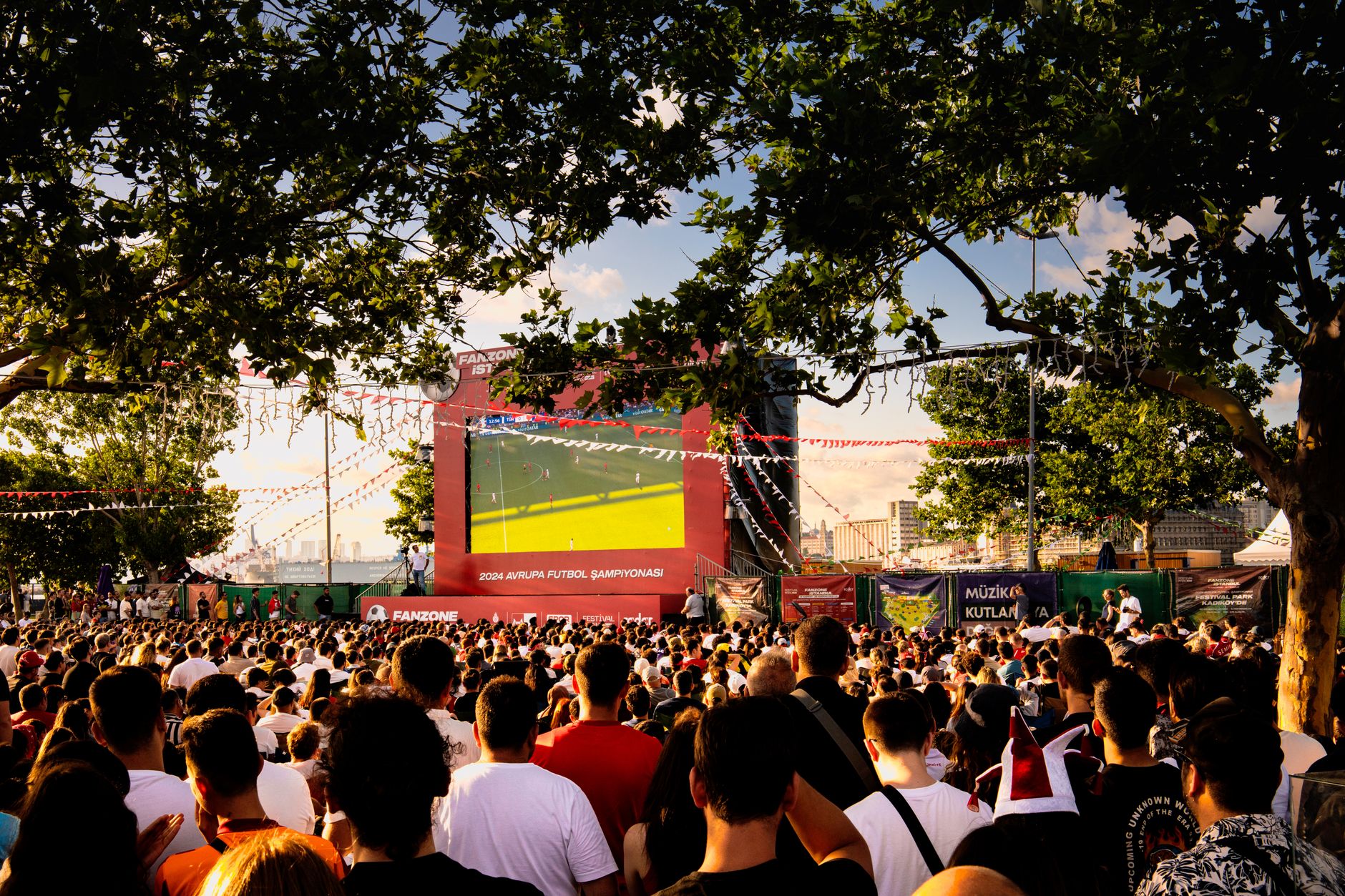
Photo by Şemsi Belli on Pexels
A prudent visitor should carry only essential items, review venue restrictions, and keep an alternative viewing location saved offline. “Official” does not mean every service connected to an event is equally reliable, and unofficial resale pages may use tournament branding to create false urgency. Check the domain, refund policy, payment protections, and organiser identity before committing funds.
Round 3: How should fans follow matches, tactics, and predictions?
Fans should combine official tournament information with independent tactical analysis, player statistics, and disciplined probability estimates. FIFA provides the authoritative competition framework, while a specialist publisher such as Tactical Review can help interpret formations, pressing patterns, squad availability, and matchup dynamics without pretending that a prediction is a guarantee.
A prediction has value only when its probability exceeds the implied probability in the available odds after considering margin and uncertainty. For example, odds of 2.00 imply roughly 50% before accounting for bookmaker margin; a private estimate of 54% may represent only a narrow theoretical edge, and errors in lineup news can erase it entirely. This is why responsible wagering requires a fixed stake, no chasing of losses, and a clear distinction between analysis and certainty.
The 2026 World Cup’s 48-team format changes the analytical environment. More teams mean more matches and potentially more unfamiliar pairings, which can increase the temptation to overinterpret a small sample. A team’s recent 4–0 victory is not automatically evidence of tournament superiority if the opponent’s ranking, injuries, travel, possession profile, and chance quality differ. Better analysis tracks repeated signals: expected goals, field tilt, progressive passes, set-piece efficiency, defensive transition errors, and the availability of key players.
Tactical Review’s most useful contribution should therefore be contextual rather than theatrical. Before following a selection, ask:
- What is the underlying probability estimate?
- Which players or tactical roles drive the projection?
- Has the market already absorbed the relevant news?
- What is the maximum acceptable loss?
- Would the decision still make sense without promotional language?
This approach protects the reader from the most expensive phrase in sports entertainment: “I knew it was certain.” According to FIFA’s Laws of the Game resources, football outcomes remain shaped by rules, officiating, and match context; no statistical model removes variance. As a result, the responsible edge is often smaller than advertising suggests.
See the latest evidence-based tournament analysis before making a decision.

Photo by Marko Garic on Pexels
One information advantage deserves emphasis: schedule density can matter more than headline team strength. If a squad faces long travel, short recovery, and a high-intensity opponent, its nominal rating may overstate the probability of performing at peak level. A second edge case is lineup confirmation: a model built before official team news can become stale within minutes, so compare the timestamp of the analysis with the latest credible squad report. In probability terms, stale information increases model error; it does not create value.
responsible football betting and bankroll management
The Final Score & Who Should Pick What
Kansas City is the strongest choice for fans who want a host city combining major-stadium atmosphere, a dedicated FIFA Fan Festival, distinctive food culture, and a manageable base for exploring the Missouri–Kansas region. It is less suitable for visitors who expect every attraction to sit within a short walk or who refuse to plan transport around high-demand match days. The winning itinerary is not necessarily the cheapest one; it is the one with the lowest avoidable friction.
My practical score is:
- Football atmosphere: 9/10 — GEHA Field at Arrowhead Stadium brings established sports intensity.
- Festival potential: 8.5/10 — FIFA Fan Festival™ Kansas City expands the experience beyond ticket holders.
- Transport simplicity: 7/10 — official planning helps, but distances and demand require preparation.
- Food and city experience: 9/10 — Kansas City offers a strong reason to stay between matches.
- Prediction support: 8/10 — Tactical Review can complement, but never replace, independent judgment.
- Budget predictability: 6.5/10 — demand may affect rooms, transfers, and discretionary spending.
The first priority is to verify the 2026 fixture assignment and official venue information. The second is to secure accommodation with cancellation terms that match your risk tolerance. The final step is to build a daily spending ceiling, including transport and a contingency reserve of 10–15%; if the plan works only when every assumption is perfect, its expected value is poor.
Photo by Gerardo Trujillo on Pexels
Kansas City should be selected by readers who value atmosphere and a complete destination rather than a single ninety-minute match. Follow official FIFA and Kansas City updates, use Tactical Review for tactical context, and treat all betting as optional entertainment rather than a method of financing the trip. The beautiful game can be thrilling without asking you to gamble more than you can comfortably afford.
Ready to compare 2026 World Cup teams and match scenarios?
Frequently Asked Questions
Q: What is the 2026 World Cup?
A: The 2026 World Cup is FIFA’s men’s global football tournament hosted by the United States, Canada, and Mexico from June 11 to July 19, 2026. It will feature 48 national teams, an expansion from the previous 32-team format. Matches will take place across 16 host cities, including Kansas City, with GEHA Field at Arrowhead Stadium serving as the local venue. Always confirm match assignments through FIFA before booking non-refundable travel.
Q: How do I plan a Kansas City World Cup matchday?
A: Plan a Kansas City World Cup matchday by confirming the venue, mapping airport or hotel transport, and allowing substantial time for crowds and security. Start with your ticket and stadium-entry requirements, then check official motorcoach, road, and festival information. Keep a backup route, avoid relying on a last-minute rideshare, and carry only permitted items. A 60–90-minute buffer beyond normal journey estimates is a sensible starting point for important appointments.
Q: What is the difference between a World Cup match and the FIFA Fan Festival?
A: A World Cup match is a ticketed event inside GEHA Field at Arrowhead Stadium, while the FIFA Fan Festival is a public tournament gathering centred on match viewing, entertainment, food, and community activity. The festival can be valuable for supporters without tickets or visitors attending several tournament days. Entry conditions, capacity, opening times, and programming may change, so check FIFA and Kansas City announcements before travelling.
Q: Is Kansas City a good 2026 World Cup host city?
A: Kansas City is a strong host-city choice for fans who prioritise atmosphere, food, cultural experiences, and a dedicated festival. Its main drawback is that the stadium, airport, downtown, and regional attractions are not all within easy walking distance. Visitors should compare the full cost of accommodation and transport rather than selecting the lowest nightly room rate. Kansas City is particularly attractive for groups that plan multiple match or festival days.
Q: How much does a Kansas City World Cup trip cost?
A: There is no single fixed cost, but a realistic budget must include accommodation, match tickets, flights, airport transfers, matchday transport, meals, and a contingency reserve. Prices will vary substantially with fixture demand, hotel location, travel dates, and ticket category. Calculate the complete itinerary before paying deposits, and reserve an additional 10–15% for unexpected transport or food expenses. Official ticket and event channels should be separated from speculative resale listings.
Q: How can I use Tactical Review for 2026 World Cup predictions?
A: Use Tactical Review to compare team tactics, player statistics, formation trends, and match context before forming your own probability estimate. First check the latest lineup and injury information, then examine whether the available odds fairly reflect the evidence and bookmaker margin. Never treat analysis as certainty, and set a fixed entertainment budget before wagering. If a selection requires chasing losses or increasing stakes emotionally, the correct decision is to stop.
Q: What should I do if World Cup transport information changes?
A: If transport information changes, verify the update through FIFA, Kansas City host-city channels, the transport provider, or your accommodation rather than an unverified social-media post. Recalculate your route, departure time, and backup option immediately, especially when travelling to GEHA Field at Arrowhead Stadium. Save confirmations offline because mobile service can become unreliable in crowded areas. Contact the provider promptly if a prepaid transfer is cancelled, and retain receipts for any legitimate refund request.
complete 2026 World Cup travel planning checklist
Thank you for reading.
Tactical Review · Archive